A home remodel is one of the most exciting journeys you can take as a homeowner. It’s not just about new floors or updated fixtures; it’s about reimagining your space, transforming how you live, and creating a residence that finally matches your vision.
Whether you’re dreaming of a sleek modern kitchen, a spa-inspired bathroom retreat, or a full-scale reinvention of your living spaces, the right approach will make the difference between stress and success. With careful planning and smart decisions, your remodel becomes more than a project; it becomes a lifestyle upgrade.
Defining Your Goals Before You Begin
Every successful renovation starts with clarity. Before you choose a single paint color or countertop finish, you need to know exactly what you’re working toward.
Ask yourself: what’s driving this remodel? Are you aiming to increase your property’s value, modernize outdated rooms, or design a space that fits the way you live now? Your answers will shape every decision that follows.
Think beyond design trends and focus on what truly matters to you. If entertaining is at the center of your lifestyle, opening up your kitchen into your living room might matter more than a high-end backsplash. If you’ve started working remotely, a thoughtfully designed home office could transform your productivity. Defining goals is about more than style; it’s about reshaping the way you experience your home every day.
Priorities also matter. Identify your non-negotiables early. Structural updates, such as wiring, plumbing, or layout changes, should be locked in first. Finishes, like hardware or accent tile, are easier to adjust if the budget needs trimming later. By separating your must-haves from nice-to-haves, you can keep the remodel on track without losing sight of your vision.
Finally, think long-term. If you plan to sell the property in a few years, certain upgrades will bring excellent returns. If you’re staying for decades, comfort and personal taste take priority. A remodel is an investment, and the most successful ones strike the perfect balance between immediate satisfaction and long-term value.
Ask yourself: what’s driving this remodel? Are you aiming to increase your property’s value, modernize outdated rooms, or design a space that fits the way you live now? Your answers will shape every decision that follows.
Think beyond design trends and focus on what truly matters to you. If entertaining is at the center of your lifestyle, opening up your kitchen into your living room might matter more than a high-end backsplash. If you’ve started working remotely, a thoughtfully designed home office could transform your productivity. Defining goals is about more than style; it’s about reshaping the way you experience your home every day.
Priorities also matter. Identify your non-negotiables early. Structural updates, such as wiring, plumbing, or layout changes, should be locked in first. Finishes, like hardware or accent tile, are easier to adjust if the budget needs trimming later. By separating your must-haves from nice-to-haves, you can keep the remodel on track without losing sight of your vision.
Finally, think long-term. If you plan to sell the property in a few years, certain upgrades will bring excellent returns. If you’re staying for decades, comfort and personal taste take priority. A remodel is an investment, and the most successful ones strike the perfect balance between immediate satisfaction and long-term value.
Creating A Realistic Budget
Few things derail a remodel faster than an unrealistic budget. Setting the right financial plan is essential, but it doesn’t mean stripping away your dream. It means being smart about where you spend and where you save. Every homeowner wants beautiful spaces, but durability and functionality should guide where your dollars go.
Start by researching the typical cost range for your type of project. Kitchen remodels, bathroom updates, or whole-house transformations all fall into different brackets. Once you have a ballpark figure, request multiple bids from contractors. Don’t automatically choose the lowest price; dig into what’s included. Sometimes, a slightly higher estimate saves you money in the long run if it covers better materials and fewer surprise costs.
Start by researching the typical cost range for your type of project. Kitchen remodels, bathroom updates, or whole-house transformations all fall into different brackets. Once you have a ballpark figure, request multiple bids from contractors. Don’t automatically choose the lowest price; dig into what’s included. Sometimes, a slightly higher estimate saves you money in the long run if it covers better materials and fewer surprise costs.
Next, set aside a cushion for your finances. Remodels almost always come with the unexpected: hidden water damage, outdated wiring, or structural fixes you didn’t anticipate. Building in 10 to 20 percent for contingencies keeps these surprises from turning into financial setbacks. With this buffer, you’ll have the flexibility to adapt without panic.
A detailed tracking system is also a must. Keep a running tally of expenses in a spreadsheet or app so that you can see where the money is going. This prevents overspending on small items like fixtures or finishes that add up quickly. A remodel should feel empowering rather than stressful, and detailed financial management gives you the freedom to enjoy the process.
Choosing The Right Team
Your remodel is only as successful as the team behind it. The right contractor, designer, and specialists will bring your vision to life. Choosing wisely ensures you get not only beautiful results but also a smooth, professional experience.
Online reviews and professional networks can also give you insight into a company’s reputation. After you’ve narrowed down your list, schedule consultations and pay attention to communication. Do they listen to your ideas? Are their timelines realistic? Do they provide detailed proposals?
Different projects may require different levels of expertise. A full kitchen overhaul might call for a designer who specializes in layout flow, while structural changes may require an architect. Choosing a contractor who can coordinate the right team ensures that every moving piece fits together seamlessly. The right team doesn’t just complete the work; they guide you through the process, anticipate challenges, and make the entire experience more rewarding.
Online reviews and professional networks can also give you insight into a company’s reputation. After you’ve narrowed down your list, schedule consultations and pay attention to communication. Do they listen to your ideas? Are their timelines realistic? Do they provide detailed proposals?
Different projects may require different levels of expertise. A full kitchen overhaul might call for a designer who specializes in layout flow, while structural changes may require an architect. Choosing a contractor who can coordinate the right team ensures that every moving piece fits together seamlessly. The right team doesn’t just complete the work; they guide you through the process, anticipate challenges, and make the entire experience more rewarding.
Planning For Functionality And Flow
A remodel is more than an aesthetic update; it’s an opportunity to improve how your home works. Start with the way you move through your space.
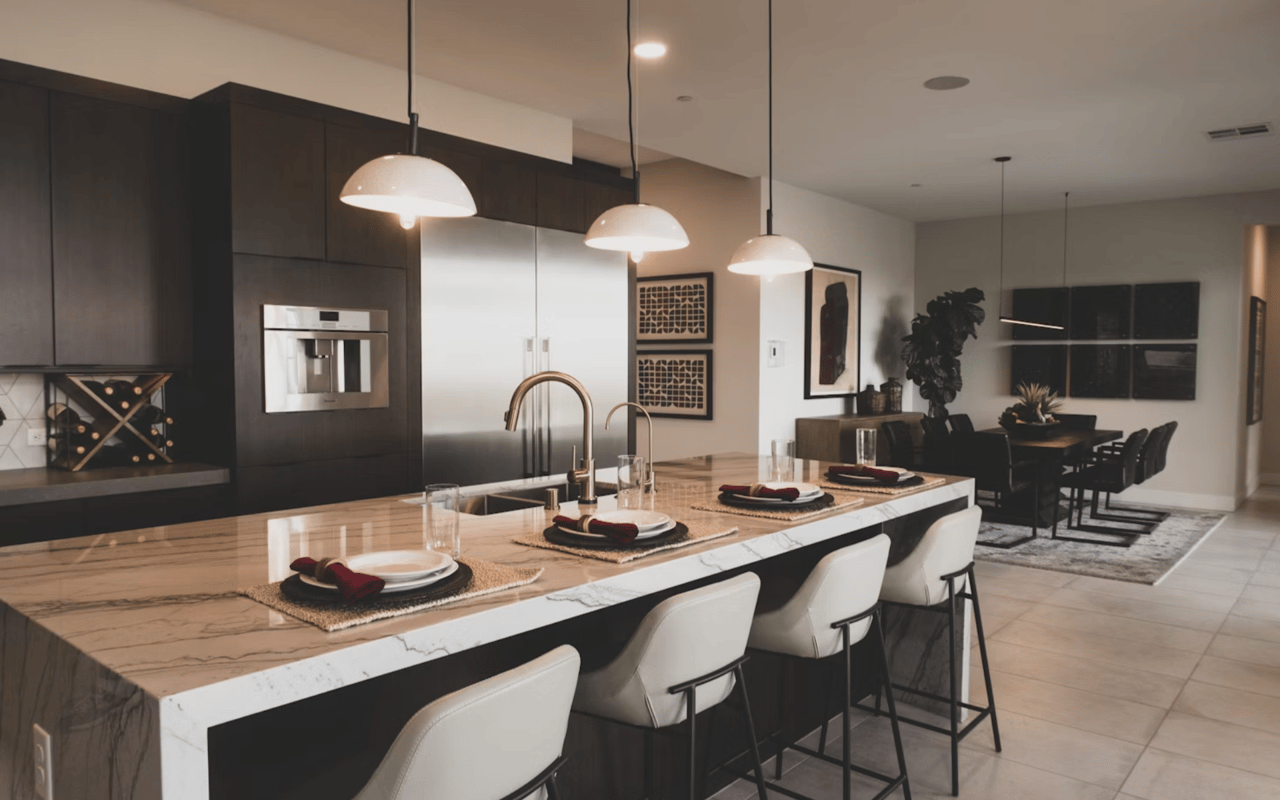
Kitchens, for example, work best when designed around efficient zones. The stove, sink, and refrigerator should create a natural triangle, minimizing wasted steps. Adding an island can elevate the design and functionality but only if there’s enough clearance for effortless movement. In bathrooms, separating the vanity, shower, and storage areas helps mornings run smoothly without congestion.
Storage deserves extra attention. The right solutions transform clutter into calm. Built-in cabinetry, hidden storage, and optimized closets can make your home feel larger and more refined. Plan for your needs today, but also anticipate what you’ll want in five or ten years.
Lighting is another critical element. Natural light should be maximized with well-placed windows or skylights, while layered artificial lighting creates the right ambiance for every moment. A thoughtfully lit room feels inviting, functional, and expansive. By prioritizing function alongside design, you create a home that doesn’t just look stunning; it works beautifully for the way you live.
Kitchens, for example, work best when designed around efficient zones. The stove, sink, and refrigerator should create a natural triangle, minimizing wasted steps. Adding an island can elevate the design and functionality but only if there’s enough clearance for effortless movement. In bathrooms, separating the vanity, shower, and storage areas helps mornings run smoothly without congestion.
Storage deserves extra attention. The right solutions transform clutter into calm. Built-in cabinetry, hidden storage, and optimized closets can make your home feel larger and more refined. Plan for your needs today, but also anticipate what you’ll want in five or ten years.
Lighting is another critical element. Natural light should be maximized with well-placed windows or skylights, while layered artificial lighting creates the right ambiance for every moment. A thoughtfully lit room feels inviting, functional, and expansive. By prioritizing function alongside design, you create a home that doesn’t just look stunning; it works beautifully for the way you live.
Selecting Materials And Finishes
This is the stage where your vision truly comes alive. Materials and finishes set the tone for your home’s personality. The key is to balance luxury, practicality, and timelessness.
Durability should be the first filter. Countertops, flooring, and cabinetry bear the brunt of daily use. Quartz counters, engineered hardwoods, or luxury vinyl planks offer beauty with resilience, ensuring your investment stands the test of time.
Trends come and go, but timeless design never fails. Many homeowners choose neutral palettes for long-term appeal, then add character with fixtures, accent walls, or lighting. This approach lets you refresh your home over time without a complete remodel.
Sustainability is also worth considering. Eco-friendly flooring, recycled materials, and low-VOC paints not only reduce environmental impact but also create a healthier home. These choices resonate with today’s buyers and provide long-term peace of mind.
Durability should be the first filter. Countertops, flooring, and cabinetry bear the brunt of daily use. Quartz counters, engineered hardwoods, or luxury vinyl planks offer beauty with resilience, ensuring your investment stands the test of time.
Trends come and go, but timeless design never fails. Many homeowners choose neutral palettes for long-term appeal, then add character with fixtures, accent walls, or lighting. This approach lets you refresh your home over time without a complete remodel.
Sustainability is also worth considering. Eco-friendly flooring, recycled materials, and low-VOC paints not only reduce environmental impact but also create a healthier home. These choices resonate with today’s buyers and provide long-term peace of mind.
Bringing Your Vision To Life
When all is said and done, a remodel isn’t just about construction; it’s about transformation. It’s about creating a home that reflects your personality, your lifestyle, and your aspirations. Every detail you choose, from layout to finishes, brings you closer to a space that feels distinctly yours.
By approaching the renovation process with clarity, patience, and confidence, you’ll achieve a stunning result and enjoy the journey. The team at Molitor Beghou will guide you through the real estate journey in Wilmette, Illinois. Connect today to begin.
By approaching the renovation process with clarity, patience, and confidence, you’ll achieve a stunning result and enjoy the journey. The team at Molitor Beghou will guide you through the real estate journey in Wilmette, Illinois. Connect today to begin.