A stable foundation is the backbone of your home. In Wilmette, IL, where weather conditions can range from freezing winters to hot, humid summers, keeping your foundation in excellent condition is one of the wisest investments you can make.
Homeowners often wonder how to protect their foundation from issues like cracks, water damage, and shifting soil. This guide will walk you through everything you need to know about foundation care, so you can keep your property in top-tier shape and avoid costly repairs down the road.
Your foundation supports the structure of your house, but it also affects long-term comfort, energy efficiency, and overall home value. Many homeowners don’t realize that small, routine steps can make a remarkable difference in preventing extensive damage.
Whether you’re planning to live in your Wilmette home for decades or preparing it for resale, staying ahead of foundation maintenance helps you preserve stability and peace of mind.
Understanding Wilmette’s Foundation Challenges
Wilmette’s climate and geography create specific challenges for homeowners. The area experiences a freeze-thaw cycle in winter, when moisture in the soil expands and contracts, which can put extra pressure on your foundation and walls. If cracks are already present, ice buildup can make them worse, allowing the water to seep in during the spring thaw.
Soil composition also plays a role. Much of the region sits on clay-heavy soil, which tends to expand when wet and contract when dry. This constant movement places stress on your foundation and can cause uneven settling. In summer, drought conditions may dry out the soil, leaving gaps that shift your home’s base. In rainy periods, water can collect around the foundation, adding hydrostatic pressure.
Homes closer to the lake often experience higher groundwater levels, which can contribute to basement seepage and moisture intrusion. Understanding these risks allows you to focus on preventative care rather than waiting for problems to surface.
Soil composition also plays a role. Much of the region sits on clay-heavy soil, which tends to expand when wet and contract when dry. This constant movement places stress on your foundation and can cause uneven settling. In summer, drought conditions may dry out the soil, leaving gaps that shift your home’s base. In rainy periods, water can collect around the foundation, adding hydrostatic pressure.
Homes closer to the lake often experience higher groundwater levels, which can contribute to basement seepage and moisture intrusion. Understanding these risks allows you to focus on preventative care rather than waiting for problems to surface.
Inspecting Your Foundation Regularly
The first step in maintaining your foundation is routine inspection. Walk around your home’s exterior at least twice a year — ideally in the spring and fall — to look for visible cracks, crumbling mortar, or gaps near the base of the house. Pay attention to corners and areas around window wells, as these spots are particularly vulnerable.
Inside, check your basement or crawl space for signs of trouble. Water stains on the walls, a musty smell, or efflorescence (a chalky white residue left behind by evaporating water) are clear warnings that moisture is seeping in. Uneven floors or doors that stick can also indicate foundation movement. The sooner you identify these warning signs, the easier and less expensive it will be to correct the problem.
Keeping a record of what you notice during inspections is helpful. Take photos of cracks or damp spots so that you can track changes over time. If you see a crack widening from one season to the next, that’s a sign to call in a professional for evaluation.
Inside, check your basement or crawl space for signs of trouble. Water stains on the walls, a musty smell, or efflorescence (a chalky white residue left behind by evaporating water) are clear warnings that moisture is seeping in. Uneven floors or doors that stick can also indicate foundation movement. The sooner you identify these warning signs, the easier and less expensive it will be to correct the problem.
Keeping a record of what you notice during inspections is helpful. Take photos of cracks or damp spots so that you can track changes over time. If you see a crack widening from one season to the next, that’s a sign to call in a professional for evaluation.
Managing Water Drainage Around Your Home
One of the most important aspects of foundation maintenance in Wilmette is proper water management. Excess moisture is the number one cause of foundation problems, and controlling drainage can save you from costly repairs.
Start with your gutters and downspouts. Clean them regularly, especially in the spring and fall when leaves and debris tend to clog these systems. Downspouts should extend at least six feet from your house to direct water away from the foundation. If water is pooling near the base of your home after the heavy rain, you may need to extend or redirect your downspouts.
Grading also plays a key role. The soil around your home should slope away from the foundation to prevent water from seeping into the ground near your basement. If your yard slopes toward the house, consider adding topsoil to regrade the area or installing French drains to move water further away. Homeowners near Lake Michigan may also need sump pumps to handle groundwater pressure during wet seasons.
Start with your gutters and downspouts. Clean them regularly, especially in the spring and fall when leaves and debris tend to clog these systems. Downspouts should extend at least six feet from your house to direct water away from the foundation. If water is pooling near the base of your home after the heavy rain, you may need to extend or redirect your downspouts.
Grading also plays a key role. The soil around your home should slope away from the foundation to prevent water from seeping into the ground near your basement. If your yard slopes toward the house, consider adding topsoil to regrade the area or installing French drains to move water further away. Homeowners near Lake Michigan may also need sump pumps to handle groundwater pressure during wet seasons.
Addressing Foundation Cracks Early
Hairline cracks are common as concrete cures, and they often don’t pose a serious problem. However, larger cracks, especially those wider than 1/8 inch, may indicate structural movement. Horizontal cracks are particularly concerning because they can signal bowing walls caused by hydrostatic pressure.
Even small cracks can lead to water intrusion. Sealing them with epoxy or polyurethane injections can prevent further damage, but it’s important to understand whether the crack is cosmetic or structural. That’s where consulting with a local foundation repair professional comes in. They can assess the cause and recommend the right solution, whether it’s reinforcement, sealing, or drainage improvement.
Taking action quickly prevents the problem from spreading. Waiting until a crack expands can lead to costly repairs that may involve underpinning or wall stabilization.
Even small cracks can lead to water intrusion. Sealing them with epoxy or polyurethane injections can prevent further damage, but it’s important to understand whether the crack is cosmetic or structural. That’s where consulting with a local foundation repair professional comes in. They can assess the cause and recommend the right solution, whether it’s reinforcement, sealing, or drainage improvement.
Taking action quickly prevents the problem from spreading. Waiting until a crack expands can lead to costly repairs that may involve underpinning or wall stabilization.
Controlling Moisture Levels Indoors
Foundation health isn’t only about what happens outside; it’s also about managing conditions inside your home. Excess humidity in basements and crawl spaces can contribute to foundation issues, as moisture seeps into the concrete and weakens it over time.
Running a dehumidifier in summer helps keep the humidity under control. Aim to keep basement humidity between 30 and 50 percent. If your basement tends to feel damp year-round, you may need to look into waterproofing measures, such as installing vapor barriers or improving the ventilation.
Another factor to consider is plumbing. Leaks from pipes or water heaters can go unnoticed in basements and cause significant damage to your foundation slab. Checking appliances and plumbing connections regularly can prevent long-term moisture buildup.
Running a dehumidifier in summer helps keep the humidity under control. Aim to keep basement humidity between 30 and 50 percent. If your basement tends to feel damp year-round, you may need to look into waterproofing measures, such as installing vapor barriers or improving the ventilation.
Another factor to consider is plumbing. Leaks from pipes or water heaters can go unnoticed in basements and cause significant damage to your foundation slab. Checking appliances and plumbing connections regularly can prevent long-term moisture buildup.
Landscaping Choices That Protect Your Foundation
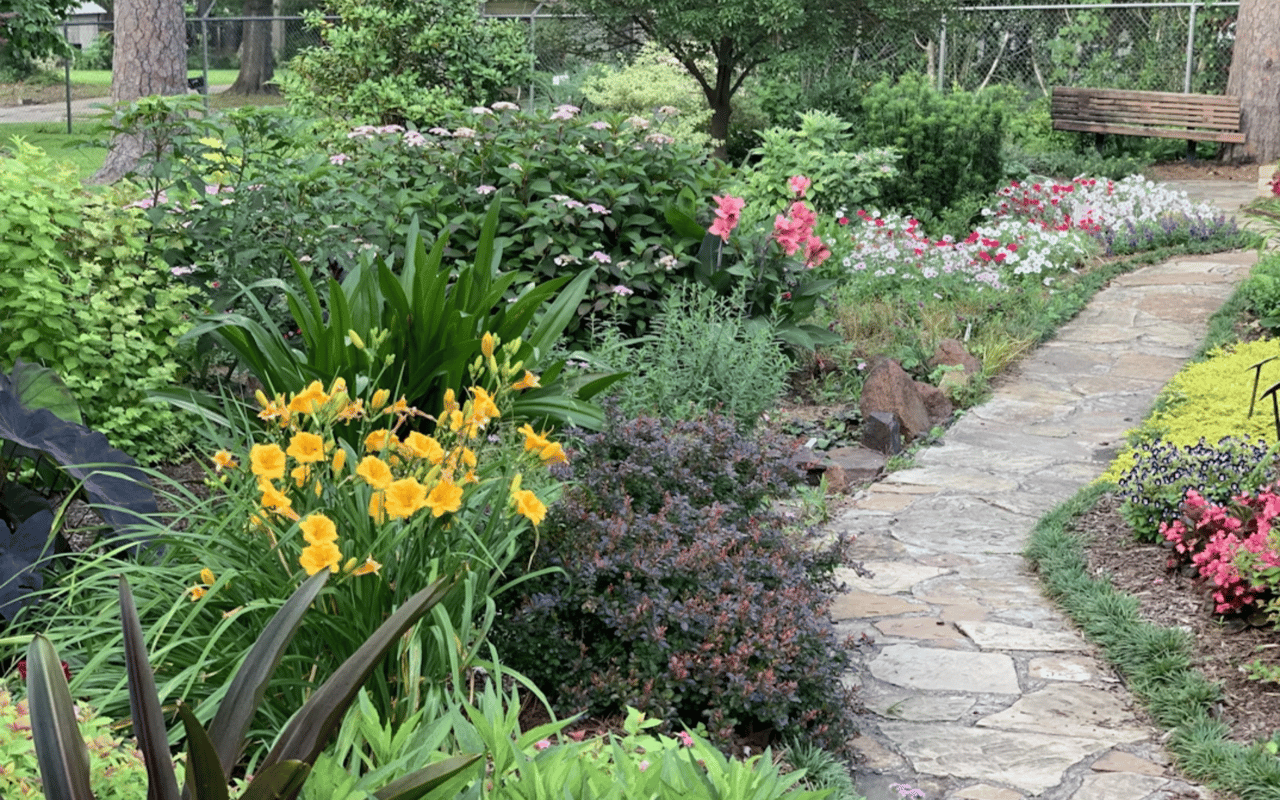
Your landscaping can either support or harm your foundation. In Wilmette, where tree-lined streets are part of the charm, roots can sometimes become an issue. Large trees planted too close to the house may draw moisture from the soil, causing uneven settling. Their roots can also press against the foundation walls.
When planting new trees or shrubs, make sure they are positioned far enough from your home to prevent root intrusion. As a general rule, the distance between a tree and your house should be at least equal to the tree’s expected mature height. For existing trees, consider root barriers or routine trimming to minimize risks.
Mulch is another important detail. While mulch helps retain soil moisture for plants, piling it against your foundation can hold excess water. Keep mulch at least six inches away from your foundation wall and avoid stacking it higher than three inches.
When planting new trees or shrubs, make sure they are positioned far enough from your home to prevent root intrusion. As a general rule, the distance between a tree and your house should be at least equal to the tree’s expected mature height. For existing trees, consider root barriers or routine trimming to minimize risks.
Mulch is another important detail. While mulch helps retain soil moisture for plants, piling it against your foundation can hold excess water. Keep mulch at least six inches away from your foundation wall and avoid stacking it higher than three inches.
Seasonal Foundation Maintenance in Wilmette
Seasonal changes in Wilmette demand year-round attention to foundation care. In winter, monitor snow accumulation around your home. Melting snow can lead to water seepage if it isn’t properly directed away from the foundation. Clearing the snow from areas close to your house and ensuring that the downspouts are unobstructed will help prevent problems during the thaw.
Spring is the ideal time for a thorough inspection, since the freeze-thaw cycle can cause new cracks to appear. Summer is a time to watch for soil shrinkage. If your yard experiences dry conditions, watering around the foundation may be necessary to prevent excessive soil contraction. Fall should focus on cleaning the gutters and preparing for winter storms.
By adapting your maintenance routine to the season, you can reduce the risk of sudden issues and spread out these tasks in a manageable way.
Spring is the ideal time for a thorough inspection, since the freeze-thaw cycle can cause new cracks to appear. Summer is a time to watch for soil shrinkage. If your yard experiences dry conditions, watering around the foundation may be necessary to prevent excessive soil contraction. Fall should focus on cleaning the gutters and preparing for winter storms.
By adapting your maintenance routine to the season, you can reduce the risk of sudden issues and spread out these tasks in a manageable way.
Protecting Your Investment Over Time
Foundation maintenance may not be the most exciting home project, but it is one of the most important. By managing water drainage, inspecting for cracks, controlling indoor humidity, and making thoughtful landscaping choices, you can extend the life of your foundation and protect your property value.
Whether you’re planning to remain in your home long-term or preparing it for resale, taking these steps ensures that your property remains stable for years to come. The team at Molitor Beghou will guide you through the real estate journey in Wilmette, Illinois.
Whether you’re planning to remain in your home long-term or preparing it for resale, taking these steps ensures that your property remains stable for years to come. The team at Molitor Beghou will guide you through the real estate journey in Wilmette, Illinois.