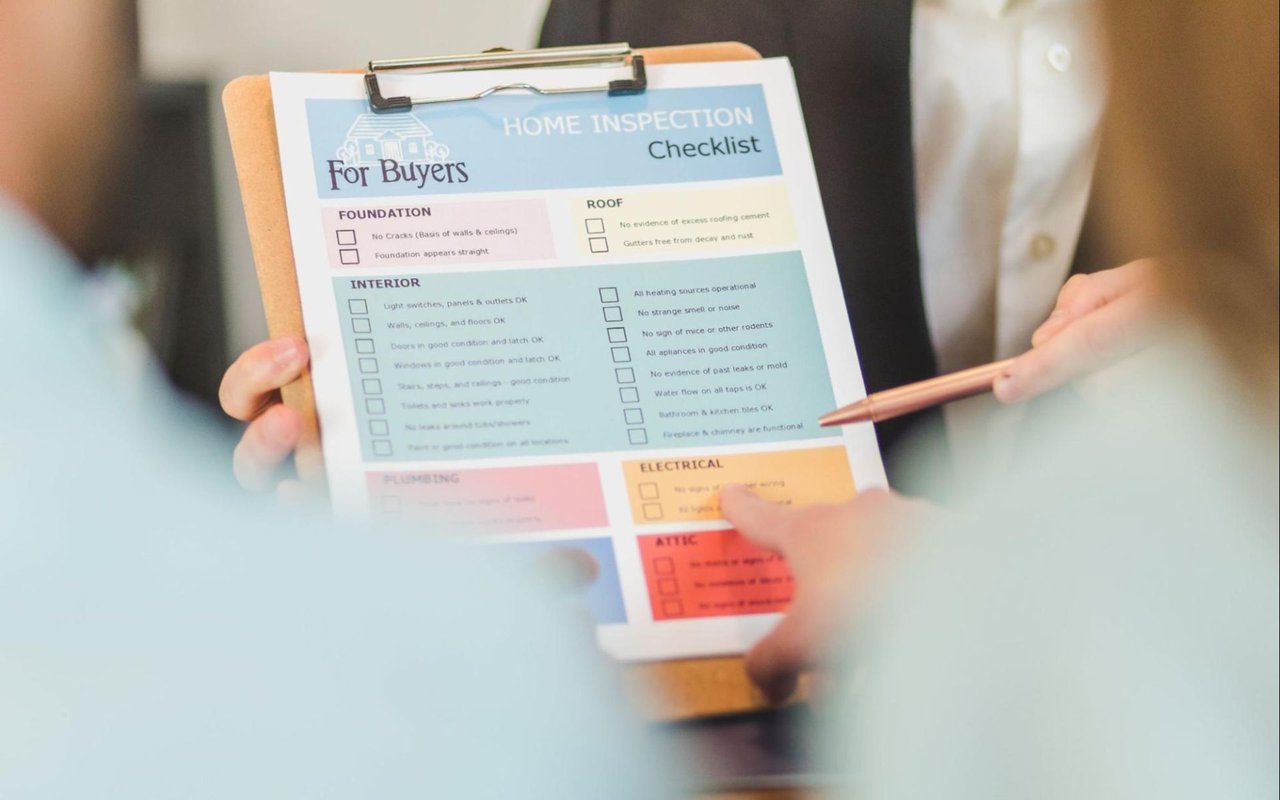
You’ve finally found the house that feels right. The layout works, the neighborhood checks your boxes, and you can already picture yourself settling into the space and starting the next chapter. But before you let excitement take over, there’s one crucial step standing between you and a confident purchase: the home inspection.
This single step can completely change the way you view a property. It’s not just about spotting problems; it’s about uncovering the truth about the home you’re about to invest in. A detailed inspection exposes what’s working well, what needs attention soon, and what could turn into an expensive surprise later.
Think of it as a deep dive into your potential home’s health. You’ll learn how well its systems are functioning, whether the foundation is solid, and if there’s anything hiding behind the walls that might need your attention. A thorough inspection gives you leverage and insight to make well-informed decisions, negotiate more effectively, and move forward knowing exactly what you’re buying.
When you receive that inspection report, you’re not just receiving a list of issues. You’re gaining valuable knowledge. You’ll know what’s urgent, what’s routine maintenance, and what’s worth negotiating. It’s your opportunity to turn uncertainty into confidence before the final signature hits the page.
Finding a Home Inspector You Can Trust
Choosing a home inspector isn’t something to rush through. The right professional can make all the difference between feeling uncertain and feeling in control. Your real estate agent can recommend reliable inspectors they’ve worked with before, but it’s worth completing your own research to find someone with the right experience and credentials.
Look for inspectors who are certified by respected organizations like the American Society of Home Inspectors (ASHI) or the International Association of Certified Home Inspectors (InterNACHI). These certifications mean that your inspector follows rigorous standards and is required to keep up with ongoing training.
Ask questions before you hire anyone. How long have they been inspecting homes? How many do they complete in a typical month? Do they specialize in certain property types like historic homes, condos, or new builds? You can also request a sample report to see how they document findings. An expert inspector’s report will be detailed, with clear explanations and photos, not just checkboxes and technical jargon.
A skilled inspector will encourage you to attend the inspection in person, ask questions, and learn as much about the property as possible. The inspection is your opportunity to really understand the home, so make sure the professional leading it is thorough, patient, and genuinely invested in helping you make an informed decision.
Look for inspectors who are certified by respected organizations like the American Society of Home Inspectors (ASHI) or the International Association of Certified Home Inspectors (InterNACHI). These certifications mean that your inspector follows rigorous standards and is required to keep up with ongoing training.
Ask questions before you hire anyone. How long have they been inspecting homes? How many do they complete in a typical month? Do they specialize in certain property types like historic homes, condos, or new builds? You can also request a sample report to see how they document findings. An expert inspector’s report will be detailed, with clear explanations and photos, not just checkboxes and technical jargon.
A skilled inspector will encourage you to attend the inspection in person, ask questions, and learn as much about the property as possible. The inspection is your opportunity to really understand the home, so make sure the professional leading it is thorough, patient, and genuinely invested in helping you make an informed decision.
What’s Included in a Home Inspection?
A professional home inspection is a full, detailed assessment of the property’s major systems and structure. The inspector’s goal is to identify any issues that could affect the home’s livability or value, both now and in the future.
You can expect the inspector to examine the foundation and structure, checking for cracks, uneven floors, or signs of movement that could signal structural concerns. Even small foundation issues can become serious if left unaddressed, so this part of the inspection is essential.
The roof is another major area of focus. The inspector will assess its age, look for missing shingles, inspect the flashing and gutters, and check for any signs of leaks or water damage. Since a roof replacement can cost thousands of dollars, understanding its condition before you buy is key.
The electrical system will be tested for outdated wiring, overloaded circuits, or improper installations. If a home still uses older wiring or an outdated electrical panel, that could mean future updates are necessary — not to mention potential insurance complications.
Next, the plumbing system will be inspected for leaks, water pressure issues, and pipe materials. The inspector will look for evidence of corrosion, signs of previous leaks, and potential water heater concerns. The HVAC system is another major component. You’ll learn whether it’s functioning properly, how old the system is, and when you might need to plan for replacement.
Finally, the inspector reviews the interior and exterior elements, including the doors, windows, insulation, attic spaces, and even the grading around the home that affects drainage. Each of these pieces plays a key role in how efficiently and safely the home operates.
By the time the inspection wraps up, you’ll have a complete picture of the property’s strengths and weaknesses — and a much clearer idea of what your next steps should be.
Why You Should Attend the Inspection
If possible, plan to attend the inspection from start to finish as the buyer. Reading a report later is helpful, but nothing compares to seeing things in real time. You’ll gain context that a written document can’t always capture.
When you’re there in person, you can ask questions as they arise. For instance, if the inspector points out a small crack in the foundation, you can ask whether it’s typical or something that needs immediate repair. They can show you how the home’s systems work, explain any maintenance tips, and even help you prioritize which items to address first after moving in.
You’ll even notice details you might have missed during previous walkthroughs, like sticky windows, slow drains, or uneven flooring. These might not be dealbreakers, but they give you a better sense of what homeownership will look like day-to-day.
When you’re there in person, you can ask questions as they arise. For instance, if the inspector points out a small crack in the foundation, you can ask whether it’s typical or something that needs immediate repair. They can show you how the home’s systems work, explain any maintenance tips, and even help you prioritize which items to address first after moving in.
You’ll even notice details you might have missed during previous walkthroughs, like sticky windows, slow drains, or uneven flooring. These might not be dealbreakers, but they give you a better sense of what homeownership will look like day-to-day.
Reading the Inspection Report
Once the inspection is finished, you’ll receive a detailed report, typically within 24 hours. It can feel overwhelming at first glance, but don’t let that intimidate you. Every home has quirks; what matters most is understanding which issues truly deserve attention.
Most reports organize findings by category and urgency. Look for labels like “repair immediately,” “monitor,” or “maintenance item.” Focus on any issues related to structure, electrical, or plumbing, as these are usually the most important from a financial and safety standpoint.
The report will include photos, diagrams, and notes explaining what the inspector found. Review each section carefully. If anything’s unclear, don’t hesitate to contact the inspector for clarification. They expect follow-up questions; it’s part of their job to make sure you fully understand their findings.
Your real estate agent will help you interpret the report strategically. Some items may be worth negotiating, while others might be minor maintenance tasks you can handle later. The goal is to distinguish between what’s urgent and what’s routine. A home inspection isn’t about demanding perfection; it’s about uncovering reality so that you can make informed choices.
Most reports organize findings by category and urgency. Look for labels like “repair immediately,” “monitor,” or “maintenance item.” Focus on any issues related to structure, electrical, or plumbing, as these are usually the most important from a financial and safety standpoint.
The report will include photos, diagrams, and notes explaining what the inspector found. Review each section carefully. If anything’s unclear, don’t hesitate to contact the inspector for clarification. They expect follow-up questions; it’s part of their job to make sure you fully understand their findings.
Your real estate agent will help you interpret the report strategically. Some items may be worth negotiating, while others might be minor maintenance tasks you can handle later. The goal is to distinguish between what’s urgent and what’s routine. A home inspection isn’t about demanding perfection; it’s about uncovering reality so that you can make informed choices.
Using the Inspection Results to Negotiate Like a Pro
Once you understand what’s in the report, you can decide how to move forward. This is where your real estate agent’s experience becomes invaluable. Together, you’ll determine which issues justify a request for repairs, a price adjustment, or a closing credit.
For example, if the inspection reveals that the roof needs replacement soon, you might ask the seller to replace it before closing or offer a credit toward the cost. If there are plumbing leaks or electrical concerns, it’s reasonable to ask for professional repairs prior to settlement.
Be realistic about what to request. Asking a seller to fix every minor imperfection can sour negotiations. Focus on major systems and costly repairs — things that truly affect the home’s value and functionality.
Sometimes, accepting a credit instead of having the seller handle repairs gives you more control. You can choose your own contractors, schedule the work after moving in, and ensure it’s done to your standards. Other times, having the seller complete the repairs before closing is the more straightforward path. Your real estate agent can help you weigh both options and choose the best route for your situation.
Negotiating after an inspection doesn’t have to be adversarial. When approached thoughtfully and backed by a professional report, it becomes a discussion about facts and fairness.
For example, if the inspection reveals that the roof needs replacement soon, you might ask the seller to replace it before closing or offer a credit toward the cost. If there are plumbing leaks or electrical concerns, it’s reasonable to ask for professional repairs prior to settlement.
Be realistic about what to request. Asking a seller to fix every minor imperfection can sour negotiations. Focus on major systems and costly repairs — things that truly affect the home’s value and functionality.
Sometimes, accepting a credit instead of having the seller handle repairs gives you more control. You can choose your own contractors, schedule the work after moving in, and ensure it’s done to your standards. Other times, having the seller complete the repairs before closing is the more straightforward path. Your real estate agent can help you weigh both options and choose the best route for your situation.
Negotiating after an inspection doesn’t have to be adversarial. When approached thoughtfully and backed by a professional report, it becomes a discussion about facts and fairness.
Achieve Homeownership With Confidence
When you reach the end of the home inspection process, you’ll know its strengths, its quirks, and its potential challenges. That knowledge is power. Even if the inspection reveals issues, it’s an opportunity to make a well-informed decision. You can negotiate smarter, plan for future improvements, and enter ownership with your eyes wide open.
The truth is, the home inspection is one of the most valuable investments you’ll make during your entire buying journey. It transforms what could be a leap of faith into a confident step forward.
When you finally get those keys, you’ll know exactly what you’re stepping into — and that confidence makes all the difference. For expert guidance through inspections and beyond, the team at Molitor Beghou will guide you through the real estate journey in Wilmette, Illinois. Connect today.
The truth is, the home inspection is one of the most valuable investments you’ll make during your entire buying journey. It transforms what could be a leap of faith into a confident step forward.
When you finally get those keys, you’ll know exactly what you’re stepping into — and that confidence makes all the difference. For expert guidance through inspections and beyond, the team at Molitor Beghou will guide you through the real estate journey in Wilmette, Illinois. Connect today.